


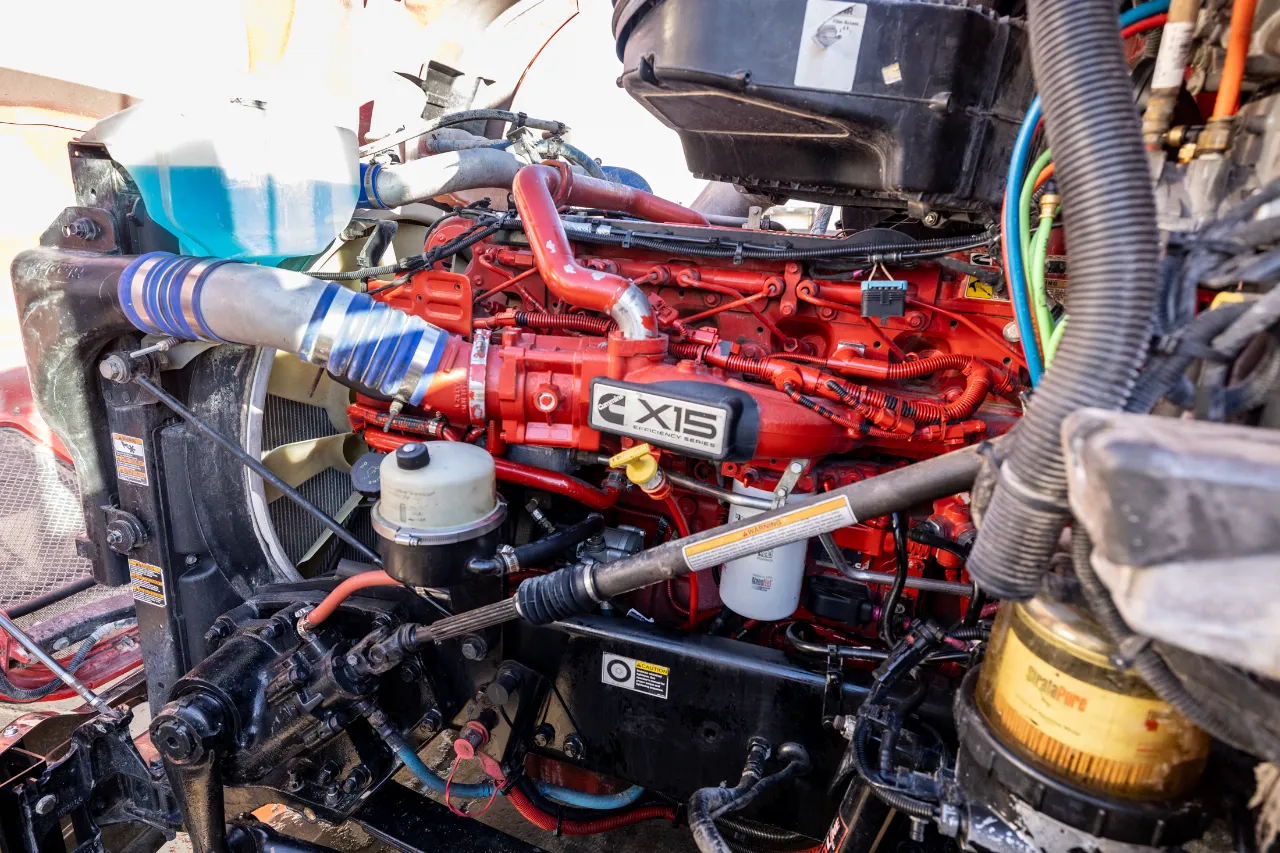
Cummins tuning can improve horsepower, torque delivery, fuel economy, and hauling performance when completed properly. Unfortunately, poor-quality tuning or aggressive calibrations can also create serious reliability problems across commercial diesel fleets.
Many tuning-related problems develop gradually.
Fleet owners often notice small drivability changes before larger failures involving turbochargers, cooling systems, emissions components, or internal engine damage begin to appear across tuned trucks.
Recognizing these warning signs early helps fleets avoid expensive downtime and long-term repair costs.
Excessive Exhaust Smoke Should Raise Concerns
Heavy exhaust smoke is one of the clearest warning signs of tuning problems in a Cummins-powered truck. Improper fuel mapping can disrupt combustion efficiency and overload the engine with excessive fuel during acceleration.
Different smoke colors may indicate different problems:
- Black smoke may signal excessive fueling
- White smoke may indicate incomplete combustion
- Blue smoke often points toward oil consumption
Persistent smoke usually means the engine calibration requires immediate inspection before larger issues develop.
Rising Exhaust Gas Temperatures Create Risk
ECM tuning can often increase exhaust gas temperatures significantly under heavy load. Excessive heat places additional strain on pistons, turbochargers, exhaust valves, and aftertreatment systems during normal commercial hauling operations.
High exhaust temperatures may contribute to:
- Turbocharger wear
- Cracked manifolds
- DPF problems
- Reduced engine lifespan
- Increased soot accumulation
Drivers hauling heavy loads may first notice these issues on steep grades or during long highway pulls.
Turbocharger Problems Can Develop Quickly
Turbochargers work harder when horsepower and fuel levels increase due to engine tuning. Poor tuning strategies may overspeed the turbocharger or create unsafe boost pressure levels under acceleration.
Common turbocharger warning signs include:
- Whining noises
- Reduced boost pressure
- Oil leaks
- Slow acceleration
- Excessive black smoke
Restricted airflow and excessive heat may also shorten turbocharger lifespan significantly over time.
Early diagnostics help prevent larger engine reliability issues later.
Cooling Systems Often Experience Extra Stress
Higher horsepower levels naturally generate additional heat inside diesel engines. Fleets running aggressive tunes may notice their cooling systems struggling more during hot weather, heavy towing, or stop-and-go traffic.
Technicians commonly inspect:
- Fan clutches
- Water pumps
- Radiators
- Coolant hoses
- Thermostats
A weak fan clutch may reduce airflow through the radiator and worsen overheating conditions under heavy load.
Repeated overheating should never be ignored on tuned diesel trucks.
Fuel Economy Sometimes Gets Worse
Some fleets install engine tuning expecting immediate fuel economy improvements. However, poorly optimized calibrations may actually increase fuel consumption rather than improve efficiency.
Several factors may contribute to poor mileage after tuning:
- Excessive fueling
- Aggressive throttle response
- Improper boost control
- Increased idle time
- Driver behavior changes
Drivers often use additional horsepower more aggressively, which naturally increases diesel consumption during everyday operation.
Fuel economy losses may appear gradually across multiple routes.
Frequent DPF Problems May Indicate Tuning Issues
Modern Cummins engines rely heavily on emissions systems for proper operation. Aggressive tuning may increase soot production and place additional strain on the DPF system and aftertreatment components.
Warning signs commonly include:
- Frequent regeneration cycles
- DPF warning lights
- Engine derates
- Reduced fuel economy
- Poor throttle response
Excess soot buildup restricts exhaust flow and reduces overall engine efficiency over time.
Ignoring DPF-related problems can eventually lead to costly downtime and repairs.
Transmission Problems Sometimes Follow Tuning
Additional horsepower and torque place extra stress on driveline and transmission components. Fleets operating tuned trucks under heavy hauling conditions may notice transmission wear accelerating faster than expected.
Potential warning signs include:
- Hard shifting
- Slipping gears
- Transmission overheating
- Delayed gear engagement
- Increased driveline vibration
Factory driveline components are engineered around specific torque limits. Aggressive tuning can exceed those limits during demanding hauling operations.
Preventive inspections become even more important after performance tuning modifications.
Engine Knock or Rough Operation Requires Attention
Poor-quality tuning may disrupt fuel timing and combustion stability inside the engine. Drivers may notice rough idling, knocking noises, or hesitation during acceleration if tuning calibration problems develop.
These symptoms may indicate:
- Incorrect fuel timing
- Excessive cylinder pressure
- Poor injector performance
- Airflow imbalance
- Calibration instability
Ignoring combustion-related warning signs can eventually lead to serious internal engine damage to pistons, bearings, and other cylinder components.
Quick diagnostics help significantly reduce long-term repair risks.
Electrical and Sensor Problems May Appear
Modern Cummins engines rely heavily on electronic communication between sensors, control modules, and emissions systems. Improper tuning may interfere with sensor readings and trigger recurring warning lights unexpectedly.
Technicians commonly inspect:
- ECM communication
- Boost pressure sensors
- Exhaust temperature sensors
- Fuel pressure sensors
- Wiring connections
Electrical faults sometimes mimic major mechanical problems initially.
Accurate diagnostics help fleets determine whether the issue involves tuning calibration or actual hardware failure.
Preventive Maintenance Matters Even More After Tuning
Performance tuning increases stress throughout multiple diesel systems. Fleets operating tuned Cummins engines should maintain stricter preventive maintenance schedules to monitor wear and detect problems earlier.
Important maintenance items include:
- Oil analysis
- Cooling system inspections
- Turbocharger inspections
- Fuel system diagnostics
- DPF servicing
Routine maintenance helps fleets reduce downtime and maintain long-term reliability despite increased engine demands.
Neglected maintenance can quickly shorten the lifespan of tuned diesel engines.
Drivers Usually Notice Problems First
Drivers often detect tuning-related problems before warning lights activate or major failures occur. Changes in throttle response, engine temperature, smoke output, or fuel economy frequently provide the earliest warning signs.
Fleet managers should take driver complaints seriously.
Small drivability issues can quickly evolve into expensive repairs if aggressive tuning continues stressing the engine and supporting systems unnecessarily.
Clear communication between drivers and technicians significantly improves diagnostic accuracy.
Keep Your Cummins Fleet Running Strong
Cummins tuning can improve diesel performance when properly calibrated, but aggressive or poorly executed tuning may create serious reliability problems for commercial fleets. Excessive smoke, overheating, DPF problems, and turbocharger failures often indicate tuning-related issues developing under load.
3K Calibrations provides professional Cummins tuning, diesel diagnostics, and performance calibration services for commercial fleets and heavy-duty truck operators. For more information, read our article on ECM myths for diesel trucks.