


Performance vs. Fuel Economy Tuning: Which Diesel Tune Is Right for Your Truck?
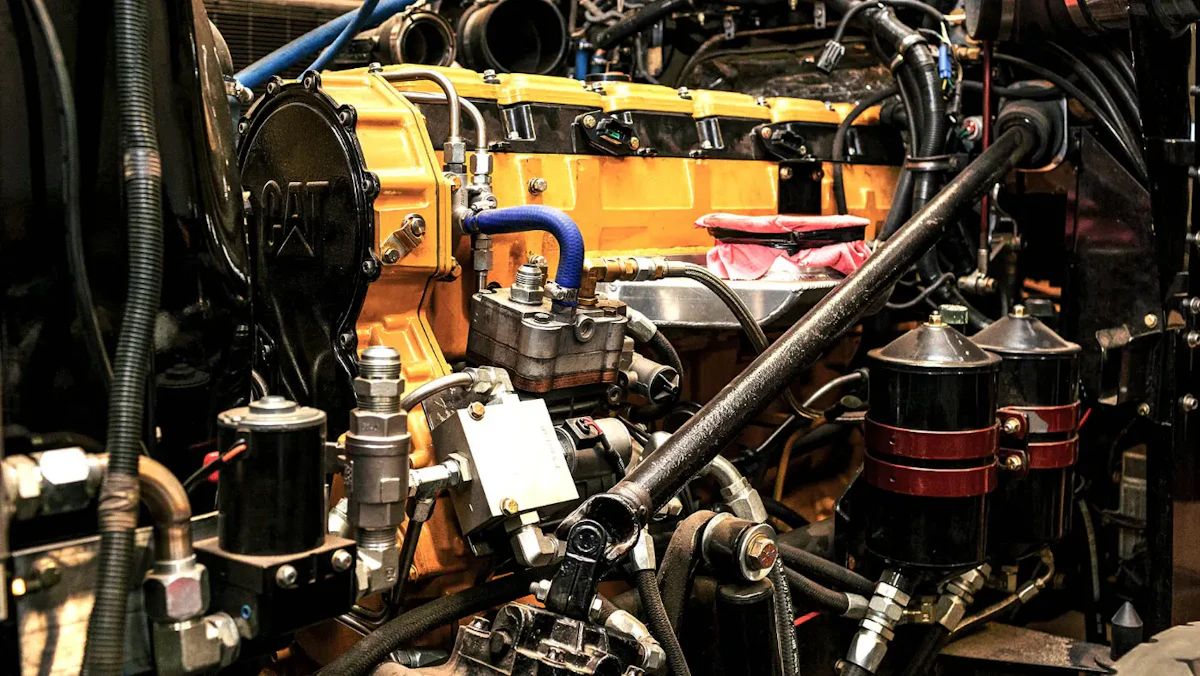
Modern diesel trucks depend heavily on software. The ECM monitors sensors and adjusts parameters affecting power, fuel efficiency, drivability, emissions, and protection. For those considering diesel tuning in Abbotsford, BC, the key question is: do you want more power, better fuel economy, or a balance? The best choice depends on use. A towing truck has different needs than a fleet vehicle on predictable routes. A high-mileage work truck also needs a different approach than a newer, more reliable one. Tuning isn't a shortcut but should match the truck’s condition, workload, and reliability goals.
What Diesel Tuning Changes
A custom diesel engine tune adjusts the ECM calibration, affecting fuel delivery, torque, throttle response, boost, shift feel, and emissions. These changes influence truck response during acceleration, towing, climbing, or highway driving.
A proper tune respects mechanical limits. Diesel engines generate power via compression ignition, and adjustments to fuelling or boost increase heat, pressure, and stress. Quality ECM tuning accounts for the whole vehicle, not just the engine, including the transmission, cooling, turbocharger, injectors, air intake, exhaust, and emissions to ensure safe performance.
What Performance Tuning Is Designed To Do
Performance tuning boosts usable power, mainly by enhancing low and mid-range torque, throttle response, and truck responsiveness under load. For those towing, hauling, or driving in hilly terrain, extra torque improves confidence and response.
A performance-focused tune may be suitable when you want:
- Stronger towing response
- Improved acceleration under load
- Better throttle response
- More usable diesel horsepower and torque
- Reduced hesitation during passing or hill climbs
Added power brings extra responsibility, as increased torque stresses components such as the transmission, driveline, turbocharger, head gasket, cooling system, and fuel system. A performance tune on a truck with existing issues can reveal problems. Power gains are only useful if the truck can support them.
What Fuel Economy Tuning Is Designed To Do
Fuel economy tuning focuses on efficiency and smoother drivability. Rather than maximizing output, it aims to help the engine operate more efficiently under normal driving conditions. This may include refined throttle mapping, optimized torque delivery, and calibration changes that reduce unnecessary fuel use during steady driving. Fuel-efficient diesel tuning may be a strong fit for:
- Daily drivers
- Fleet vehicles
- Service trucks
- Highway commuters
- Trucks that tow moderate loads
- Owners focused on long-term operating costs
Fuel savings depend on factors beyond software, including tire pressure, load, idle time, driving habits, maintenance, terrain, and weather. An economy tune can't fix aggressive driving, heavy loads, or poor maintenance. It works best when the truck is healthy and driving habits are efficient.
Performance Vs. Economy: The Practical Difference
Performance tuning focuses on power, fuel economy, and lower costs, and a balanced approach finds a middle ground for better drivability without being too aggressive.
Performance tuning is ideal for trucks that tow heavy trailers, climb grades, or require stronger response. Economy tuning suits trucks that cover long distances, operate in a fleet, or handle lighter loads. Many owners opt for a moderate tune, balancing improved response with reliability.
Why Maintenance Comes Before Tuning
Before diesel upgrades, inspect the truck. Tuning a poorly maintained diesel can turn minor issues into major repairs. A truck with restricted airflow, weak fuel pressure, poor cooling, or unresolved emissions faults isn't ready for calibration. Important pre-tuning checks include:
- Engine oil condition and service history
- Coolant level, quality, and cooling system performance
- Injector balance and fuel pressure
- Turbocharger operation and boost leaks
- Air filter and intake condition
- Transmission behavior under load
- Diagnostic trouble codes
- Exhaust and after-treatment system condition
This step is crucial because tuning affects truck performance. If the engine runs hot, an aggressive tune could worsen it. If slipping trans, more torque speeds wear. If DPF, SCR, DEF, EGR, or sensors malfunction, avoid tuning to mask issues.
Emissions Compliance Matters
Diesel tuning must comply with emissions requirements. In Canada, heavy-duty vehicles and engines are subject to federal emissions regulations, including requirements for greenhouse gas emissions and emission control systems. British Columbia also has heavy-vehicle diesel emission standards that include opacity limits for applicable diesel vehicles.
Modern diesel trucks may use systems such as EGR, DPF, SCR, DEF, and DOC to reduce pollutants. Selective catalytic reduction systems use diesel exhaust fluid to reduce nitrogen oxides in the exhaust stream, while diesel particulate filters capture soot and require proper regeneration to function.
For Abbotsford truck owners, emissions-compliant tuning is essential. A tune that disrupts emissions equipment can cause legal, environmental, and reliability issues, including warning lights, derating conditions, inspection challenges, and costly repairs. A responsible tune should enhance drivability or efficiency without compromising emissions systems.
Choosing The Right Tune For Your Truck
The right tune depends on your truck's use. Contractors towing equipment between Abbotsford, Mission, Langley, and Chilliwack may need higher torque settings. A business with multiple service trucks values efficiency, consistency, and lower fuel costs. Personal trucks need a balanced tune for better drivability without stress.
Ask these questions before deciding:
- Do you tow or haul heavy loads regularly?
- Is fuel cost your primary concern?
- Is the truck used for business or personal use?
- Does the truck have high mileage?
- Are there any existing engine, transmission, or emissions issues?
- Do you prioritize maximum power or long-term dependability?
If reliability matters most, avoid overly aggressive tuning. A conservative calibration often delivers the best real-world value by supporting daily drivability without overloading the truck. More power may sound appealing, but a tune that fits your work habits will serve you better over time.
Conclusion
Diesel tuning in Abbotsford, BC, should be purpose-driven, not guesswork. Performance tuning boosts towing, throttle response, and power, while fuel economy tuning promotes efficiency with good maintenance and driving habits. A balanced custom tune offers practical results for many owners. If your truck works hard, choose a tune respecting its limits, emissions, and reliability. For advice on calibration, contact 3K Calibrations.